Pakistan...
...suffers from an existential rivalry with India. India is several times bigger in terms of GDP, population and total land area. Because of this, Pakistan has forced a larger defense share over its total GDP to try and match India, which is unhealthy given Pakistan's unstable economic state.
Something that also doesn't help is Pakistan's low tax-to-gdp ratio. The tax base exists out of mostly urban workers (~5.2 million) while the vast majority of the population, who primarily work in services and agriculture, (~235 million) remains mostly untaxed.
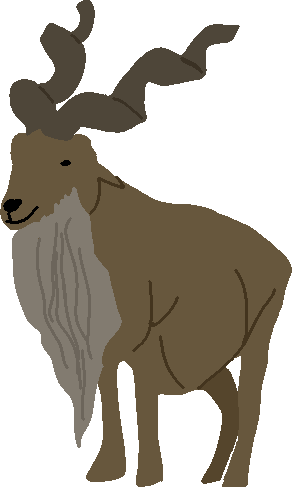
The markhor goat, as seen on the right, is the national animal of Pakistan. It's supposed to represent the cold, mountainous north and its resilience for being able to live in harsh conditions, like Pakistanis.
IGOs
basic information
 government
Pakistan is a federal parliamentary republic, meaning a democratic parliament and senate is chosen or indirectly chosen by the Pakistani people. The country follows the Westminster system.
 nationalism
Territorial nationalism is key, where the various regions that make up Pakistan are integral to its identity. Also being a Muslim is very important, as Pakistan is governed through Islamic principles.
 economy
Pakistan follows a capitalistic economic model with a regulated market and a private flow of goods.
 ideology
Pakistan is governed with the core tenets of Islamic democracy in mind + civil law, otherwise known as a form of Sharia. Pakistan is Sunni, meaning it has no theocratic hierarchy, unlike Shia Islam with their ayatollahs.
 reach
reach
Pakistan is considered to be a major middle power able to disrupt the balance of southern Asia. It is also one of the few countries that holds nuclear weaponry.
provinces
the pakistani consitution outlined 4 main provinces that together make up pakistan (along with the federal capital and other territories). these 4 regions are supposed to be representative of the main ethnicities of pakistan, those being the punjabis, pashtuns, sindhis and the baloch.
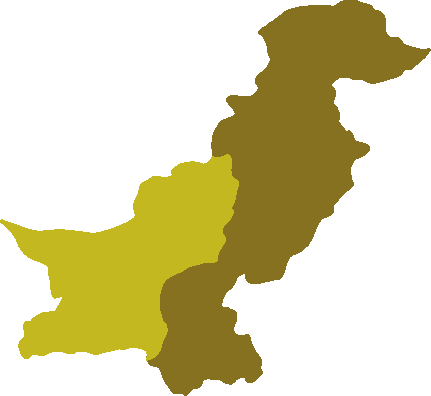
Balochistan is a mountanous and arid province of Pakistan. Due to the of the exploitation of its abundant natural resources and supposed neglect from the central government, giving Balochs who seek independence justification for wanting it.
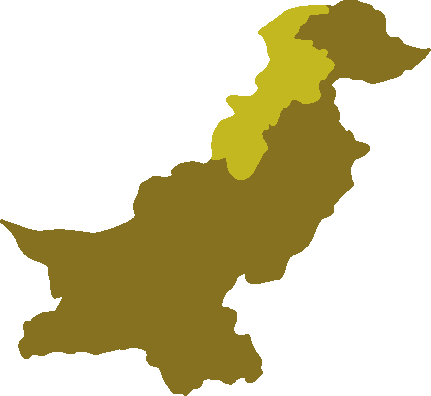
Khyber Pakhtunkhwa (KP) is home to the Pashtuns. Northern KP is overall very mountainous while southern KP has more fertile plains, which is where the majority of the population is concentrated.
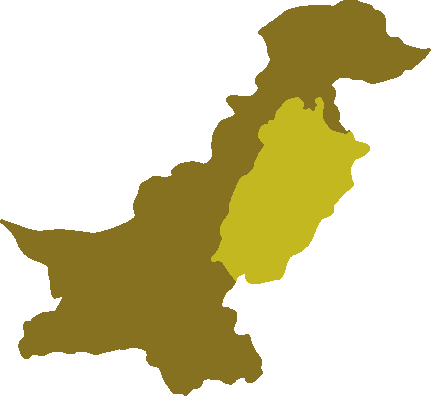
Punjab, otherwise known as the Land of the Five Rivers, is an extremely fertile region where the rivers Ravi, Beas, Jhelum, Chenab and Sutlej successively merge to form the Panjnad, which joins the Indus River as it flows through the Sindh.
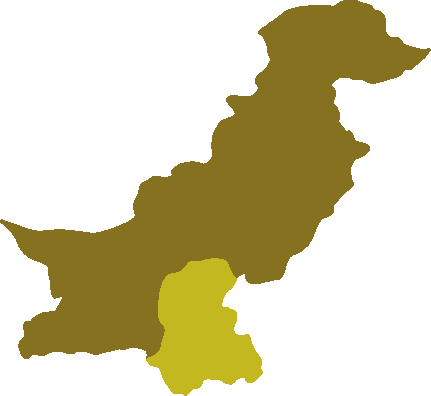
Sindh is known as the Gateway of Islam, boasting thousands of cultural heritage sites. Sindh has plains, deserts and mountains . Sindh specializes in industrial output, mainly textiles, steels, and cement.