homepage
religion is something that deserves to be studied, just as political idelogy has influenced humans greatly, religion has too. ideology focuses more on wordly affairs whereas religion focuses on the afterlife and sanctity.
ideology is defined as a set of ideas that fit together to form a coherent philosophy. thus it can be said that all religions are ideologies with a more strict exercise of belief, expressed through rituals or dogma, often supernatural
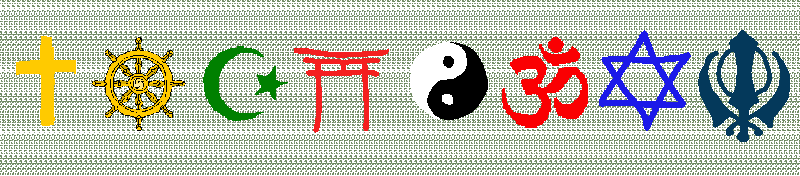
world religions
abrahamic
major religions include christianity, islam and judaism. the first two are the largest religions in the world by followers. abrahamic religions are characterized by their monotheisitic faiths and named after abraham, the very first jew who promised God obedience in return for worship of the one true God. generally abrahamic thought and dogma was historically much more rigid and dogmatic than modern day relative to dhamric and taoic philosophy.
dharmic
major religions include hinduism, buddhism and jainism. these religions believe people live in a cycle of reincarnation. the name comes from the word 'dharma', meaning one's moral obligations to themselves and the people around them. meanwhile, karma, the cause and effect of one's dharma, is necessary to achieve the end goal of life, which is to align oneself with with the universe through a high level of karma. a low level of karma results in a worse life than your current one, where your soul lives on as an animal bearing the responsibilities of your past life's mistakes.
taoic
major religions include taoism, shinto and the less religious philosophy of confucianism. the universe revolves around the dao/tao, an impersonal flow that guides everything that exists. one should try to live in harmony with the tao, letting it guide you. things that complicate this simplicity can harm the your soul's balance with the tao. taoic religions and thought originated in eastern asia, mostly china. shinto is culturally similar but does not revolve around the tao.
dogma
'dogma' is a common word used in religious contexts which means 'something told as a universal truth by an authority'. some religions differ in their teaching, for example abrahamic religions are generally more cosmically dogmatic relative to dharmic and taoist thought. in abrahamic cosmology, the core idea that there is one god who's made a convenant with abraham (the representative of humanity) is a universal truth in abrahamic thought. questioning this fact could be considered heresy.
to be clear, this is not a fault of abrahamic religions. their cosmology is more clear-cut and less metaphorical and up for interpretation than dharmic and taoic.
theocracies of the world
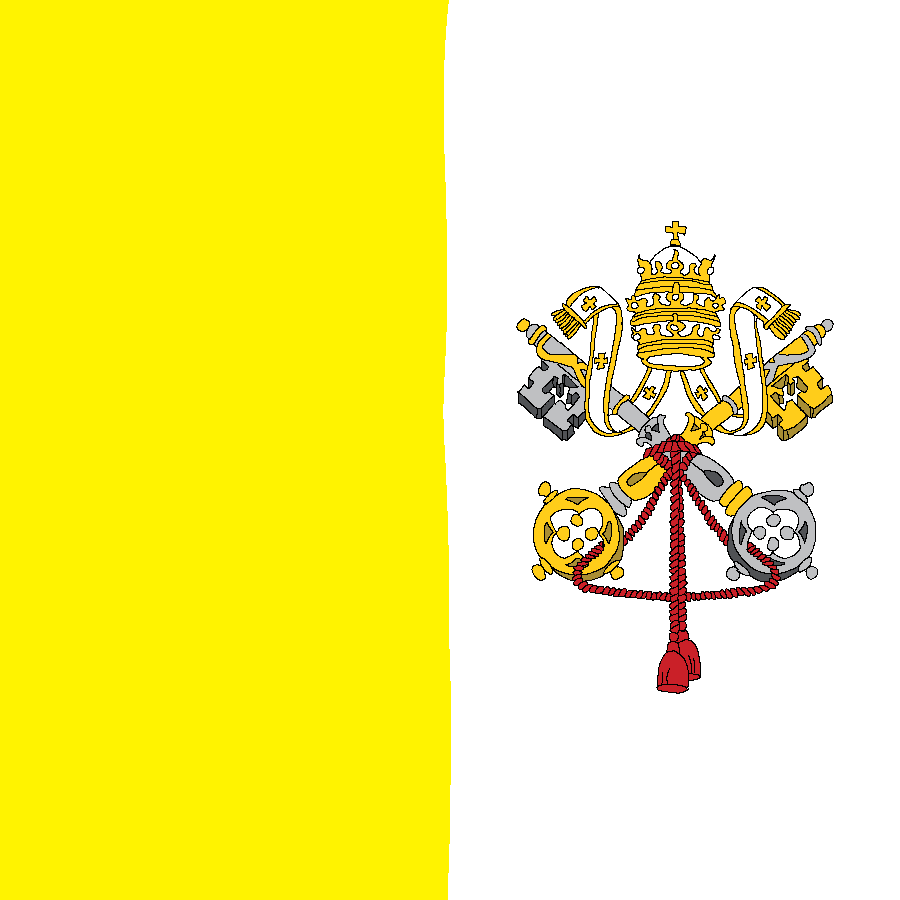
a theocracy is a country whose governance is directly influenced by guidance of their religion. leaders of theocracies are generally divinely inspired, meaning a supernatural guide (like a god) guides them. as of writing, the theocracies of the world are afghanistan (sunni), saudi arabia (sunni), the vatican city (catholicism) and iran (shia).
afghanistan

saudi arabia

vatican
iran